Resources
Dangerous Goods (DG)
Transportation
Overview of DG Transportation:
The transportation of Dangerous Goods (DG) is strictly regulated to ensure safety throughout the entire shipping process. Various stakeholders, including vessel owners, port authorities, and international organizations, set specific safety requirements.
Complex Operations:
The handling of DG requires extensive documentation and knowledge sharing among different parties, leading to complex and demanding logistics. Currently some carriers have developed their own isolated system but there is no uniform solution for DG transportation.
International Regulations:
To enhance safety at sea, international regulations and treaties governed by the International Maritime Organization (IMO) are essential. The IMDG Code (International Maritime Dangerous Goods Code) outlines a comprehensive list of DG, which includes common items like propane lighters, paint, fireworks, and pesticides.

Dangerous Goods Categories:
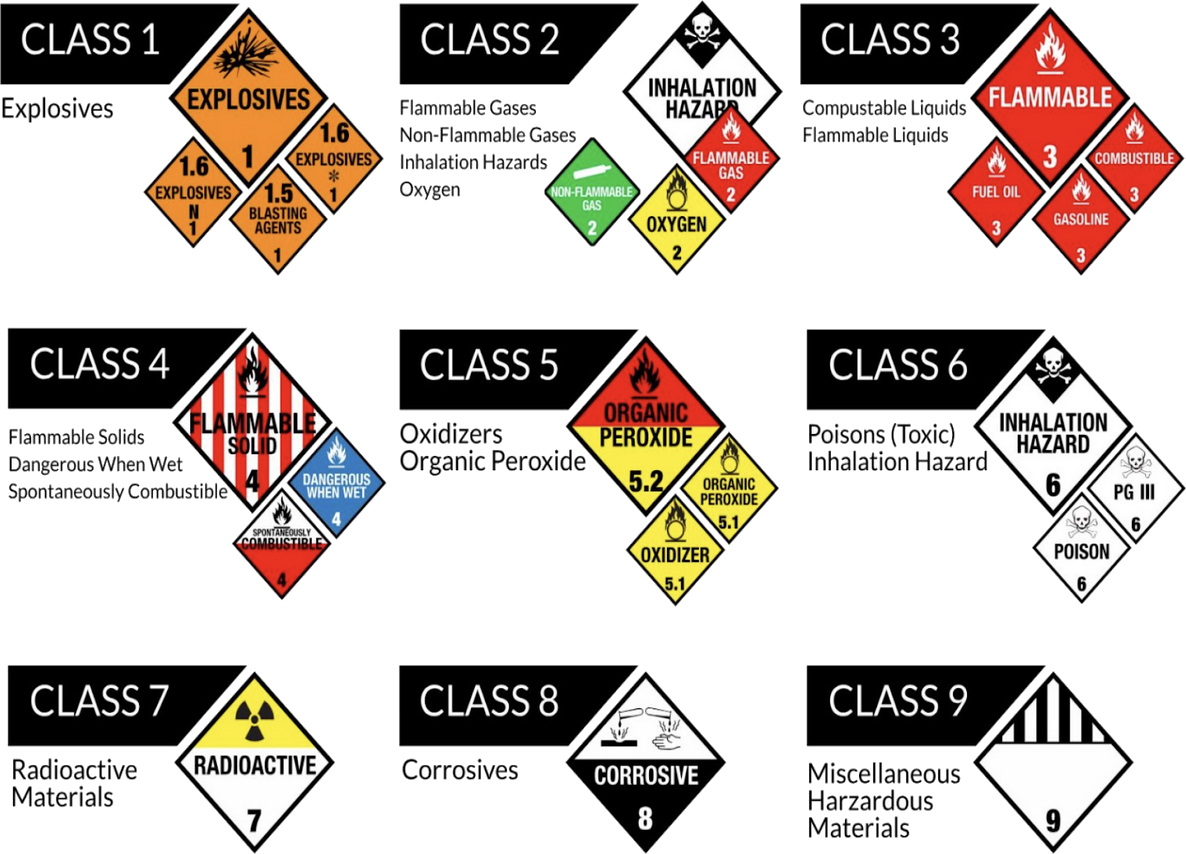
DG is categorized under the IMDG Code into nine main classes:
Class 1: Explosives (including mass and non-mass explosion risks)
Class 2: Gases (flammable, non-flammable, and toxic)
Class 3: Flammable Liquids
Class 4: Flammable Solids (including self-reactive and spontaneously ignitable substances)
Class 5: Oxidizing Substances and Organic Peroxides
Class 6: Toxic and Infectious Substances
Class 7: Radioactive Materials
Class 8: Corrosive Substances
Class 9: Miscellaneous Dangerous Substances
IMDG Code Compliance:
which is adopted by over 60 countries. This code governs packaging, labeling, and loading procedures for DG.
Shipper and Carrier Responsibilities:
Safe Transport Practices:
Strictly follow packaging regulations.
Ensure all packages are tested and marked correctly.
Properly stow hazardous materials in containers.
Inspections and Compliance Checks:
Summary of Changes:
ensure safe and compliant transportation of dangerous goods.